Spring in Texarkana doesn’t ease in gently. The humidity shows up fast, the temperatures climb before you’re quite ready for them, and suddenly, you’re spending a lot more time outside than you were a month ago.
For hearing aid wearers, that seasonal shift brings a practical challenge that doesn’t get talked about enough. Sweat and moisture are two of the more common reasons hearing aids start acting up, and warmer weather has a way of accelerating both.

A few simple habits can help keep your devices working through the season. It just takes a bit more attention to how you store, clean and wear your hearing aids as the weather changes.

Most moisture-related issues are preventable, and the ones that do come up are usually a lot easier to deal with when they’re caught early rather than after weeks of buildup have already done their work.

Managing Humidity and Moisture in Texarkana

Springtime in the Four States area brings a noticeable shift in the air as temperatures climb and the atmosphere holds much more water. This rise in humidity means your hearing aids are constantly exposed to damp conditions, even on days when it isn’t raining.

When the air is heavy with moisture, it can slowly find its way into the small openings of your devices and lead to fuzzy sound or intermittent power issues.

Warmer weather often means more activity and more sweat, which can affect your devices. Sweat contains salt and oils that can build up on the outside or get inside over time.

Wearing a moisture-wicking headband or a wide-brimmed hat can help block sweat. When you come back inside, a quick wipe with a soft cloth helps remove any moisture before it causes problems.

Identifying Early Signs of Moisture Buildup

It is easy to miss the early warning signs of moisture until your hearing aids stop working the way they should. Because these devices are worn right against your skin, they naturally pick up body heat and dampness throughout the day.

If you start to notice that voices sound a bit off or the volume seems lower than usual, there is a good chance that humidity has found its way inside. You can often tell if your devices need a bit of drying time by looking for these specific changes in performance:

  • Voices and background sounds feel muffled or seem to come from a distance.
  • Static or crackling noises happen when you move your head or adjust the volume.
  • The battery is dying much faster than usual, or the device is turning on and off without warning.
  • Visible beads of water inside the battery compartment or near the microphone ports.

Common Areas Where Moisture Collects Around the Ear

The area surrounding your ear is naturally prone to trapping heat, which creates a small pocket of dampness that can affect your hearing aids.

When you spend time outdoors, sweat can collect behind the earlobe and sit against your device, especially during things like walking, yard work or time in the sun. With little airflow, that moisture can slowly work its way inside over time.

Areas where sunglasses or a hat sit can trap heat and moisture. These tight spots hold sweat, salt and oils that can move toward parts like the microphone or battery door.

Taking a moment to dry these specific folds of skin and checking behind your ears after a walk ensures that moisture does not linger long enough to interfere with your ability to hear clearly in a crowd.

Comparing How Hearing Aid Styles Manage Moisture

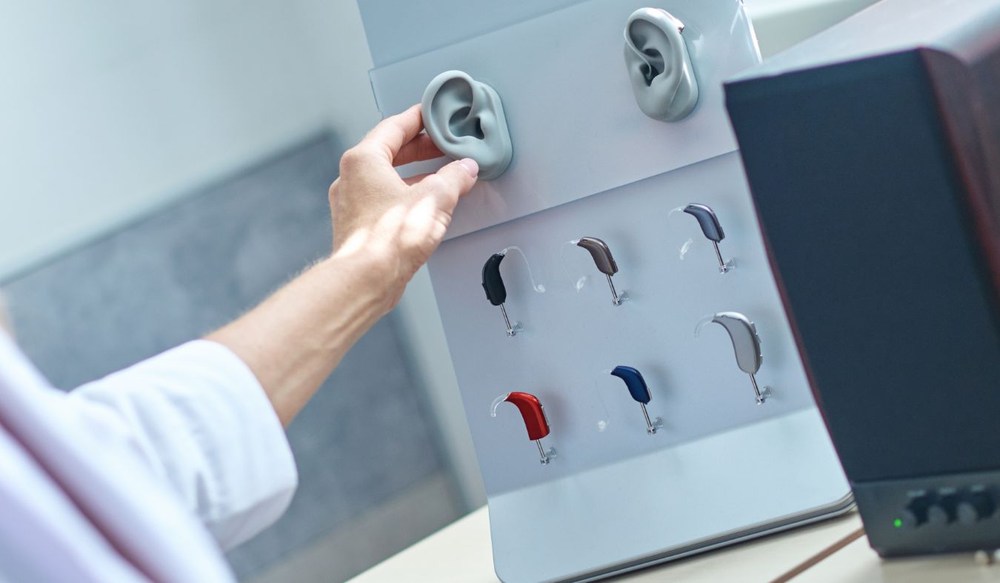
The physical design of your hearing aids plays a major role in how well they stand up to local humidity. Behind-the-ear models are often more resilient because the main body sits away from the moisture-rich environment of the ear canal.

Since the sensitive electronics are housed in a casing behind the ear, there is more room for robust seals and protective coatings to do their work. This style makes it easier to separate the earpiece for a deep clean, which prevents salt and sweat from building up.

In-the-ear styles face a different set of challenges because they are constantly surrounded by the natural warmth and dampness of your body. These custom-molded devices are exposed to perspiration and earwax, leading to more frequent blockages.

While they are very discreet, the compact design means that even a small amount of moisture can reach the internal parts more quickly than in larger models.

Maintaining Dryness During Active Spring Days

Having a simple routine after spending time outdoors helps keep your hearing aids in good shape. Sweat and heat can stay on your devices even after you finish activities like walking or yard work.

Taking a few moments to address this moisture immediately prevents salt and oils from drying into the small ports or battery compartments. This approach helps your hearing aids remain reliable and perform well even as the weather gets warmer.

Following a simple post-activity routine can significantly reduce the risk of long-term moisture damage:

  • Use a clean, dry cloth to wipe down the exterior casing of each device to remove any surface perspiration.
  • Open the battery doors when you are finished for the day to allow trapped air to circulate through the internal parts.
  • Place your hearing aids in a dedicated drying jar or dehumidifier overnight to pull out deep-seated humidity.
  • Gently dry the skin behind and inside your ears with a towel before putting your devices back in place.

Choosing Accessories for Better Moisture Protection

Selecting the right add-ons for your hearing aids can make a significant difference in how they handle the local humidity.

Small add-ons like protective sleeves or sweat-resistant covers can help keep sweat off your devices during the day. They are especially helpful when you are out jogging or doing yard work.

What you do at night matters too. Putting your hearing aids in a drying container or dehumidifier helps pull out any moisture that built up during the day so they are ready to go in the morning.

You should avoid leaving your devices on a bathroom counter or near a nightstand where steam or humidity can build up. Even small amounts of moisture in the air can work their way into the device over time.

Using a few moisture-control tools can also help prevent issues like poor sound or unexpected repairs. These tools work together to help keep your devices working well in different weather and environments.

How Your Audiologist Can Help You

An audiologist helps make sure your hearing aids are ready for seasonal changes. During a spring checkup, they can do a deep cleaning that goes far beyond what you can do at home with a cloth.

They use specialized tools to vacuum out debris and check the integrity of the moisture seals that protect the internal parts.

A consultation also provides an opportunity to discuss specific solutions for your lifestyle and environment. Your audiologist can recommend the most effective drying kits or protective sleeves based on how much time you spend outdoors.

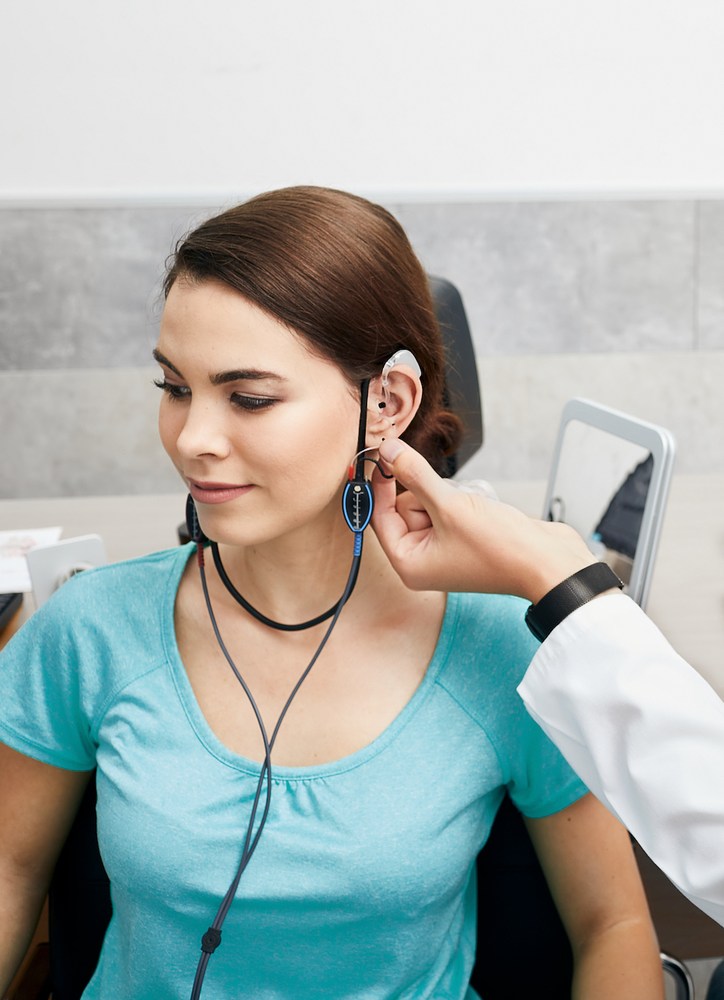
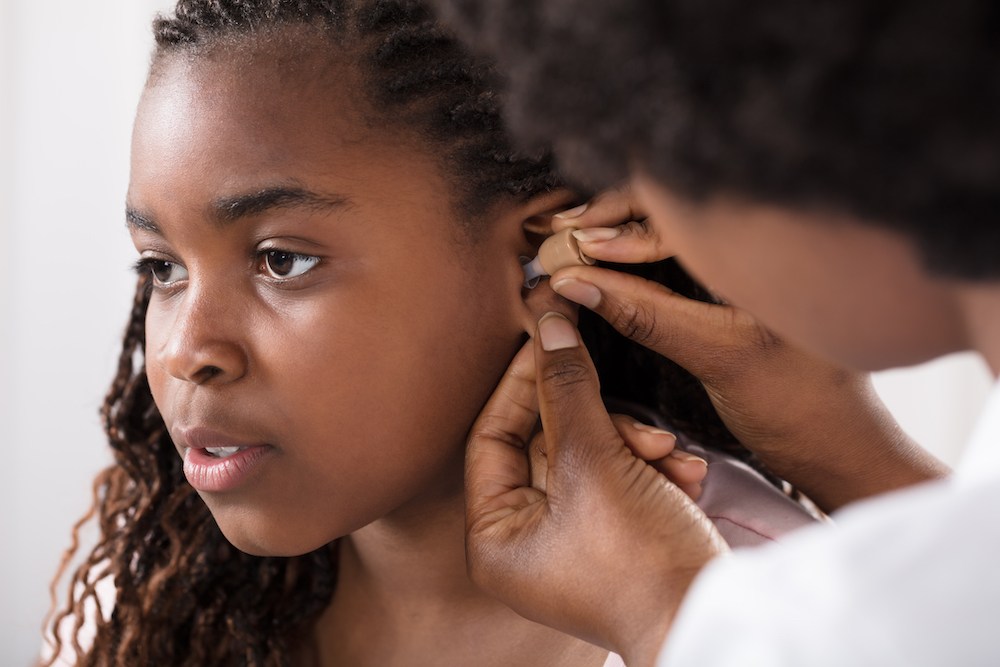
They can also check the fit of your devices, as skin changes or weight loss can sometimes affect how snugly they sit against your ear, potentially creating new gaps where sweat can enter.

What to Expect if You Need Repairs

If moisture does manage to cause a malfunction, hearing aid repair services involve more than just simple drying out. Technicians will carefully open the casing to inspect the internal parts for any signs of corrosion or mineral buildup left behind by salt and sweat.

They use specialized tools to clean the pathways and can replace specific components like microphone filters or battery contacts that have been compromised by humidity. This thorough inspection ensures that every part of the device is restored to its proper state before it is returned to you.

The timeline for these repairs often depends on whether the work can be completed in the local office or if the device needs to be sent back to the manufacturer. They will also run a series of performance tests once the repairs are finished to confirm that the sound remains stable and accurate.

Getting Help With Your Hearing Aids in Spring

Your hearing aids are built to keep up with your life, and a little seasonal maintenance is really all it takes to make sure they do.

The people who stay on top of it don’t spend time dealing with devices that cut out at the wrong moment or sound like something is off. They just enjoy the season. That’s a pretty reasonable thing to want, and it’s not hard to get there.

When you’re ready to come in for a checkup or you want someone to take a look at how your devices are holding up, Professional Hearing Services in Texarkana, TX is the place to call.

We know this climate and we know hearing aids, and we’d rather see you in spring than troubleshoot something in August. Reach us at (903) 792-3986.